What is a film scanner, and who is it for?
A film scanner digitises negatives and slides with high detail and accurate colour. It’s ideal for photographers, hobbyists, and anyone archiving film collections. Film scanners can capture far more detail from film than standard document scanners.
Dedicated film scanner vs flatbed with TMA: what’s the difference?
A dedicated film scanner focuses on negatives and slides only. It’s a strong choice for 35mm workflows and consistent film quality. A flatbed scanner with a Transparency Media Adapter (TMA) uses a backlight to scan film, but it also scans documents and prints. That flexibility can be useful if you scan both film and paper.
What film formats should I check before buying?
Start with what you actually shoot or archive. Many models support 35mm negatives and mounted slides. Some flatbeds with a transparency unit can also handle medium format (model dependent). Check supported holders and maximum film size before choosing.
What does Dmax mean, and why does it matter for film?
Dmax relates to how well a scanner captures detail in dense areas of film, especially shadows. A higher Dmax can help retain subtle detail and avoid blocked-up dark areas. It’s a useful spec when you scan slides or dense negatives. (Buying guides often pair Dmax with dynamic range discussions.)
Is dust and scratch removal worth it?
It can save a lot of retouching time. Some scanners use an infrared channel for defect removal (often branded as “i” models). It’s especially helpful for older films. Note that results can vary by film type and scanner model.
What resolution do I need for scanning film?
Higher optical resolution helps capture fine detail and film grain, which matters for archiving and printing. If you mainly share images online, you may not need the highest settings. If you want print-ready files or long-term archives, prioritise optical resolution and scan quality.
Can film scanners create searchable PDFs (OCR)?
Film scanners usually focus on images rather than text documents, so OCR/searchable PDF is not a common “primary” use case. If you also scan paper documents and need searchable PDFs, a flatbed or document scanner with OCR software may fit better.
The Epson Expression 13000XL / 13000XL Pro have been discontinued — what’s a great alternative?
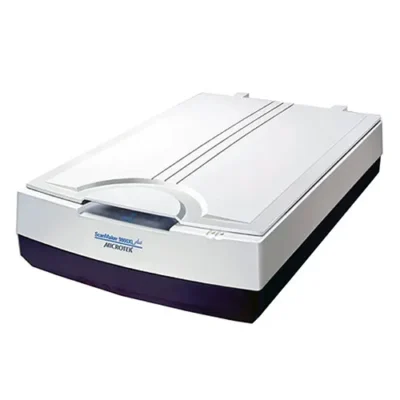
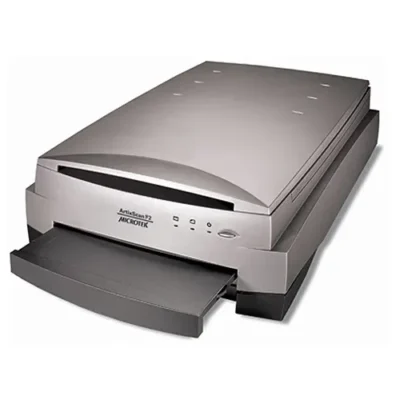
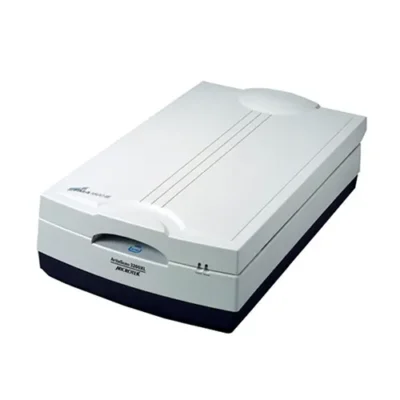
We offer a great alternative to Epson Expression models with the Microtek ArtixScan 3200XL – a professional A3-sized solution designed for both professional and home users looking for the best image quality. CCD-based, it includes a TMA with support for canning up to 3200 optical dpi, a higher Dmax rating of 4.2 plus includes SilverFast editing software to help restore and enhance originals. It’s also great for high-resolution photo and document scanning as well.
Do you sell film scanners that also scan documents?
Yes—if you want one device for both, look at flatbed scanners with a TMA. Our range of Microtek flatbed scanners combines both solutions. They scan documents on the glass and can scan film using the backlight. Dedicated film scanners are usually better if your workflow is film-only.
How do I choose the right film scanner for my workflow?
Pick based on (1) the film formats you scan most, (2) the quality you need (optical resolution + Dmax/dynamic range), and (3) how much scanning you’ll do. If you’re scanning lots of frames, also consider workflow features like batch handling and software tools for colour correction and dust removal.