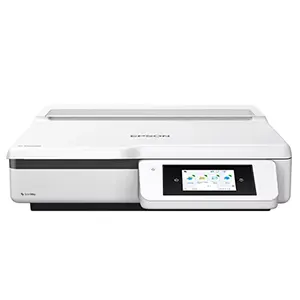
What is a flatbed scanner, and when should I choose one?
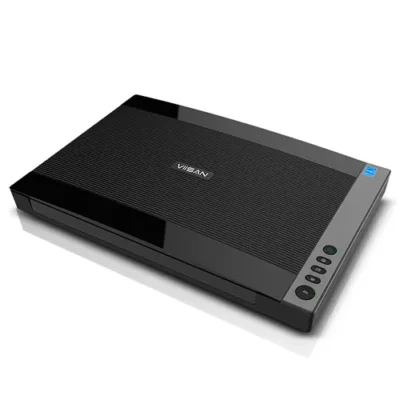
A flatbed scanner uses a glass surface to scan items you place by hand. It works well for documents, photos, and anything delicate. Choose a flatbed if you scan books, certificates, IDs, artwork, or fragile originals. It’s also ideal when you want consistent positioning and reliable colour.
What’s the difference between a flatbed scanner and an ADF scanner?
A flatbed scanner scans items placed on the glass one at a time. An ADF scanner feeds stacks of pages automatically for speed. Flatbeds suit fragile, bound, or unusual items. ADF scanners suit high-volume multi-page paperwork.
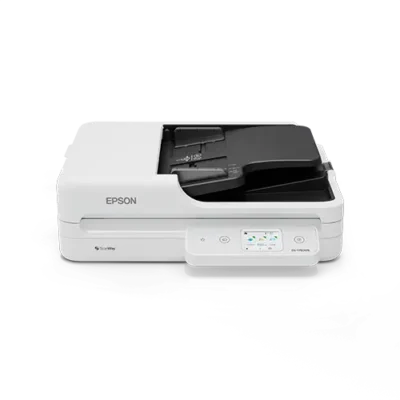
If you like the idea of both, well, you can! Ricoh offers a great choice of dual ADF and Flatbed models, in both A4 and A3 sizes, allowing you to get the best of both solutions but within one compact and easy-to-use device. Check out our Ricoh page to find out more.
Should I choose A4 or A3?
Choose A4 for everyday office documents and standard photo sizes. Choose A3 if you scan artwork, plans, oversized documents, or if you want extra flexibility. A3 models also help when you scan items that don’t sit neatly on an A4 bed.
CIS vs CCD: what’s the difference and which is best?
CIS scanners are compact and lighter. They suit general document scanning and save desk space. CCD scanners capture better depth and colour. They also handle uneven surfaces more effectively. CCD is often the better choice for photos, artwork, and professional-quality work.
BDM ArcScan is proud to be an official reseller of Microtek flatbed scanners, world leaders in CCD technology.
What resolution do I need for photos and documents?
For text documents, you usually don’t need extreme resolution. For photos and artwork, higher optical resolution helps preserve detail. If you plan to enlarge images or archive them long-term, prioritise optical resolution and colour accuracy rather than only speed.
Can flatbed scanners scan slides and negatives?
Some flatbed models support transparency scanning with a transparency unit, also called a TMA. This lets you digitise slides and film negatives. If you plan to scan film, check that the model supports it and that the scanning area matches your media. A great choice would be the Microtek ArtixScan 3200XL, our best A3 CCD flatbed scanner with 3200 dpi optical resolution, in-built TMA plus includes SilverFast editing software to help restore originals.
Are flatbed scanners good for scanning books?
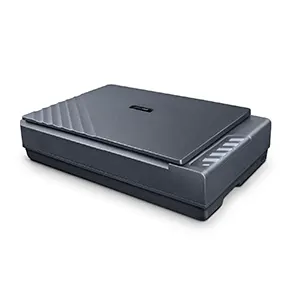
If you are looking to scan a book on a flatbed scanner, look out for models that are especially designed to help with this, such as the Plustek OpticBook A300 Plus with its unique book edge platen – allowing you to scan right into the edge of the book without spine shadow and minimising damage to the book spine and pages.
What file types can I save to?
Most flatbed scanners support common formats such as PDF and image files. For office records, PDF is usually the most practical. For photos, use image formats that preserve detail. Good software can also help with cropping, deskewing, and colour correction.
How do I choose the right flatbed scanner for my workflow?
Start with what you scan most: documents, photos, artwork, or film. Then choose the right bed size, sensor type, and resolution. If scan quality matters most, look for CCD and strong colour performance. If space matters most, choose a compact CIS model.